

Recovering after surgery can feel overwhelming, especially when you are trying to balance rest, pain management, and returning to your daily routine. The first days are often the hardest because your body is adjusting to the physical stress of the procedure, yet proper care during this period sets the foundation for a smoother recovery. Creating a calm environment at home, following your doctor’s instructions, and listening to your body can prevent complications and support faster healing. This introduction prepares you for the practical steps that help you regain strength safely and steadily so you can return to your normal activities with confidence.
Follow Medical Instructions Closely
 Every recovery journey begins with understanding and applying the guidance your medical team provides. These instructions cover medication schedules, wound care, mobility limitations, and warning signs that require immediate attention. Sticking to the prescribed plan ensures your body heals the way it should without unnecessary strain. Even if you begin to feel better earlier than expected, avoiding shortcuts is crucial because overexertion can delay progress or lead to infections. Maintaining communication with your healthcare provider helps resolve uncertainties and allows you to track healing. Consistency is key, and each small step you take in following your treatment plan adds up to a smoother and more reliable recovery.
Prioritize Rest and Balanced Movement
Your body needs rest to repair tissue and regain strength, but staying completely still for too long can create its own complications. Finding the right balance between rest and gentle movement allows your muscles, joints, and circulation to recover steadily. Light walking once approved by your doctor can prevent stiffness and improve blood flow, which supports healing. At the same time, avoiding strenuous activity protects the surgical site from unnecessary stress. Creating a structured daily routine with designated times for rest and movement helps build consistency. This approach allows your body to progress without feeling overwhelmed, giving you the energy you need for each stage of recovery.
Maintain Proper Nutrition and Hydration

Nutrition plays a significant role in effective healing because your body needs fuel to repair tissue and fight infection. Eating balanced meals rich in protein, vitamins, and minerals supports recovery from the inside out. Hydration is equally essential because fluids help regulate temperature, transport nutrients, and maintain healthy circulation. Even if your appetite is low, choosing easy-to-digest foods can keep your energy stable. Avoiding alcohol and heavily processed foods also helps your system avoid unnecessary strain. When you combine healthy eating with steady hydration, you create the conditions your body needs to rebuild strength efficiently and comfortably.
Create a Comfortable Healing Environment
 Your home setup can significantly influence the pace and quality of your recovery. Preparing a comfortable space with supportive pillows, accessible medications, and easy access to essential items reduces unnecessary movement that could strain your body. Keeping pathways clear helps prevent falls, especially when mobility is limited. Some people benefit from setting reminders for medications or meals to avoid missed doses during rest. A calm, clean environment lowers stress and gives you the mental clarity needed to focus on healing. When your surroundings support your needs, your body can direct more energy toward recovery rather than discomfort or worry.
Recovering from surgery takes patience, consistency, and awareness, but following thoughtful habits makes the experience much easier. By respecting your medical instructions, balancing rest and movement, eating well, and preparing a supportive home environment, you set yourself up for steady and reliable healing. Each day becomes more manageable as your body regains strength and stability, allowing you to return to normal life with confidence and comfort.…
Read More







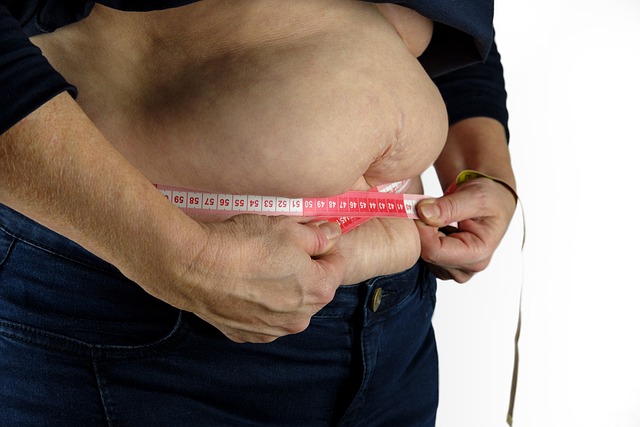
 One of the components of a successful weight loss plan is having a well-balanced nutritional plan. This means that you should consume nutritious meals and snacks that are low in calories and fat but high in fiber and protein. Eating healthy food will not only provide the fuel your body needs to function properly, but it can also help boost your metabolism, resulting in faster weight loss. Some of the foods that should be included in your diet are fruits, vegetables, whole grains, and lean proteins. Many nutritionists also recommend avoiding processed foods and sugary drinks. If you want to ensure that you are eating the best foods to help with your weight loss goal, you must talk to a doctor or nutritionist.
 Finally, having an emotional and mental support system is also essential for a successful weight loss plan. It can be difficult to stay motivated when you are trying to lose weight, so it is important to have people around you who can provide encouragement and help keep you on track. Many people find it helpful to join a support group or talk to a therapist about their goals and feelings. Additionally, setting realistic goals and tracking your progress can help you stay motivated and reach your weight loss goal more successfully. If you need additional support, you must reach out and ask for help.





 One of the best things you can do to ease post-surgical anxiety and depression is to express your feelings. Talk to your friends and family about how you’re feeling, write in a journal, or join a support group for people who have had similar surgery. Connecting with others who understand what you’re going through can be helpful. Just knowing you’re not alone can make a big difference. Talking about your anxiety and depression is essential in managing these conditions.

 If you’re still not sure which appetite suppressant is suitable for you, it’s a good idea to consult with experts. Many weight loss and nutrition experts can help you choose an appetite suppressant that’s safe and effective. You can find experts by searching online or asking your doctor for recommendations. This is important because you want to make sure that you are taking something that will not harm your body and will work to help you lose weight.



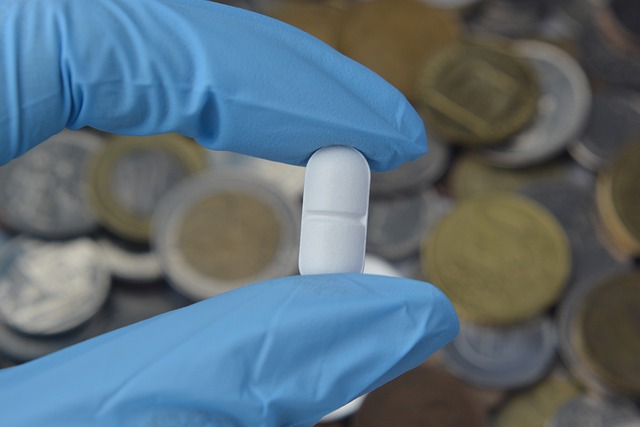
 Just because a supplement is advertised everywhere doesn’t mean that it’s the best one for you. Many of these supplements are full of harmful chemicals and ingredients that can do more harm than good. Please do your research before purchasing any weight loss supplement to ensure that it is safe and effective.
 You need to take some supplements with food while some on empty

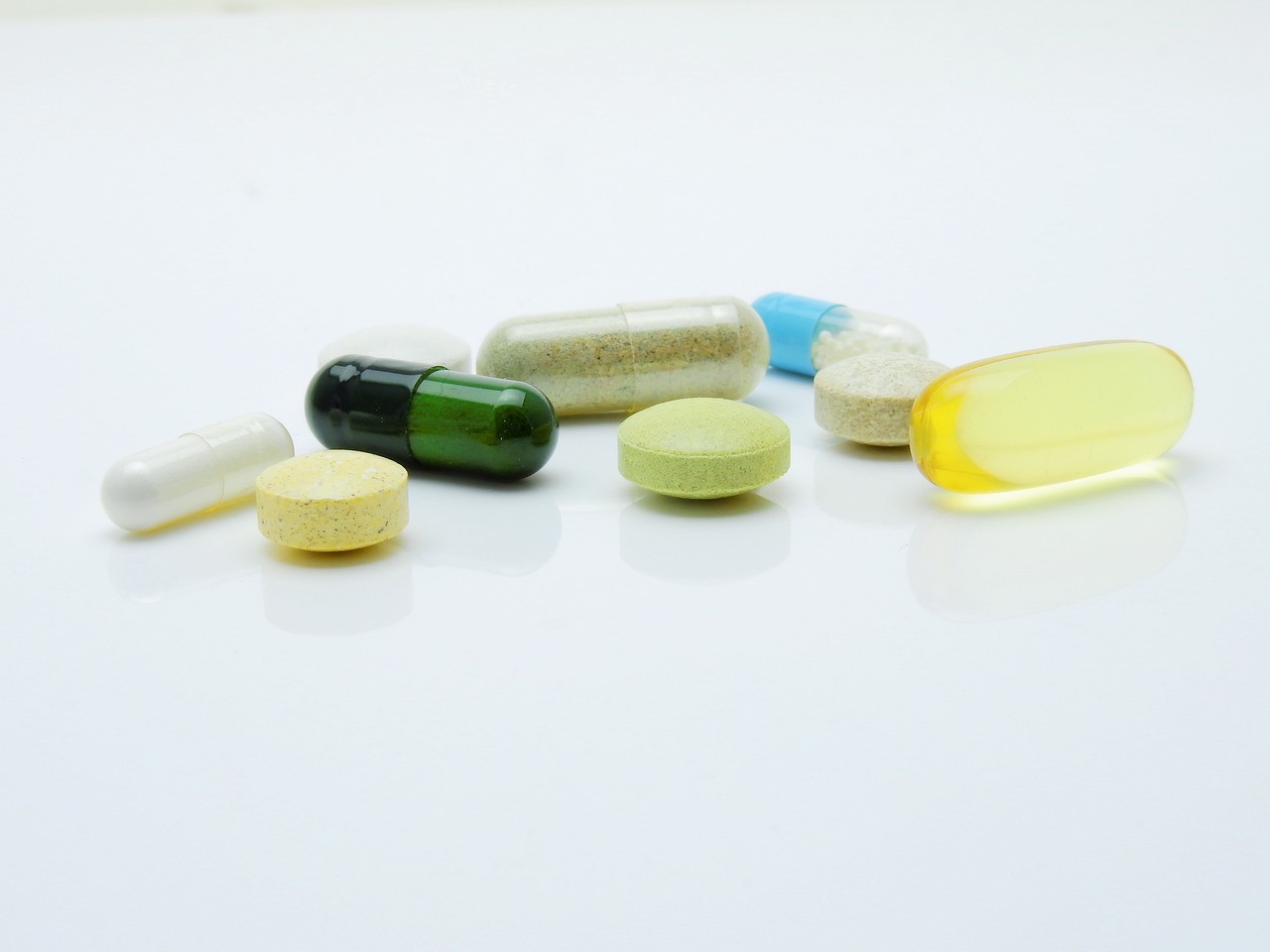



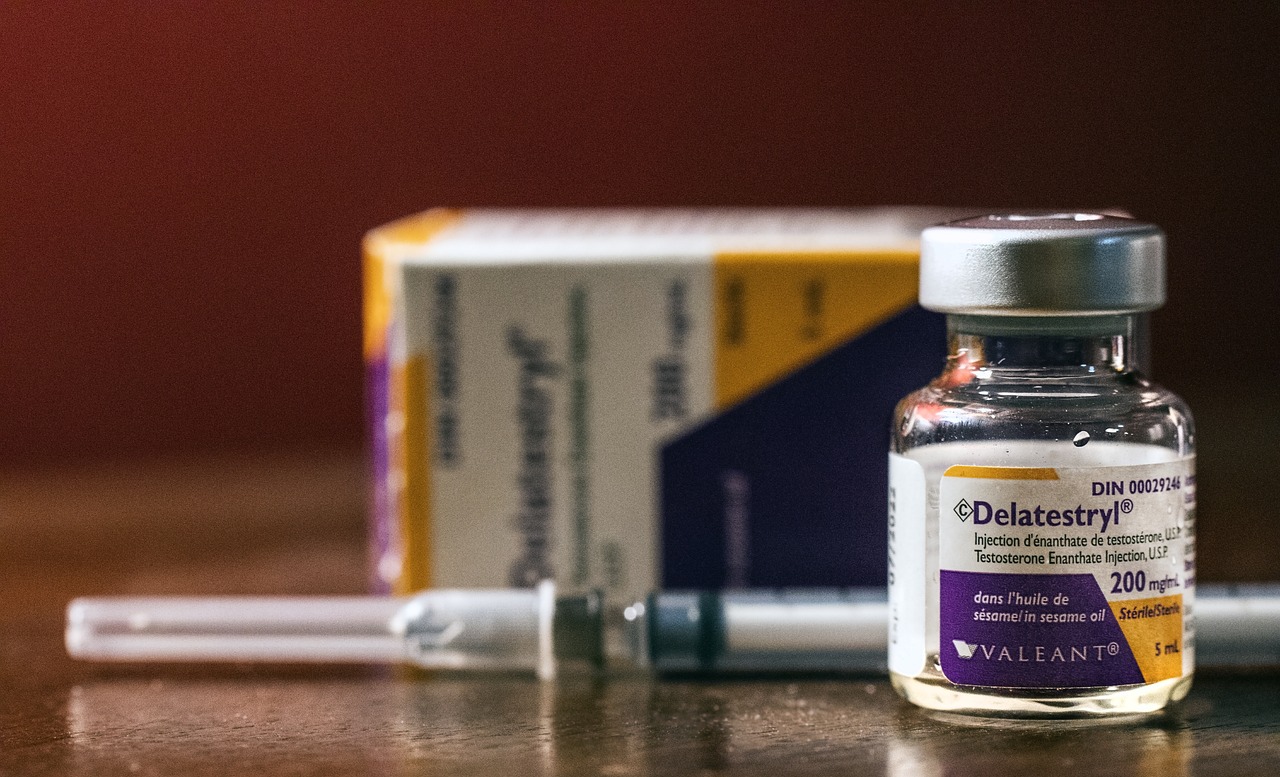














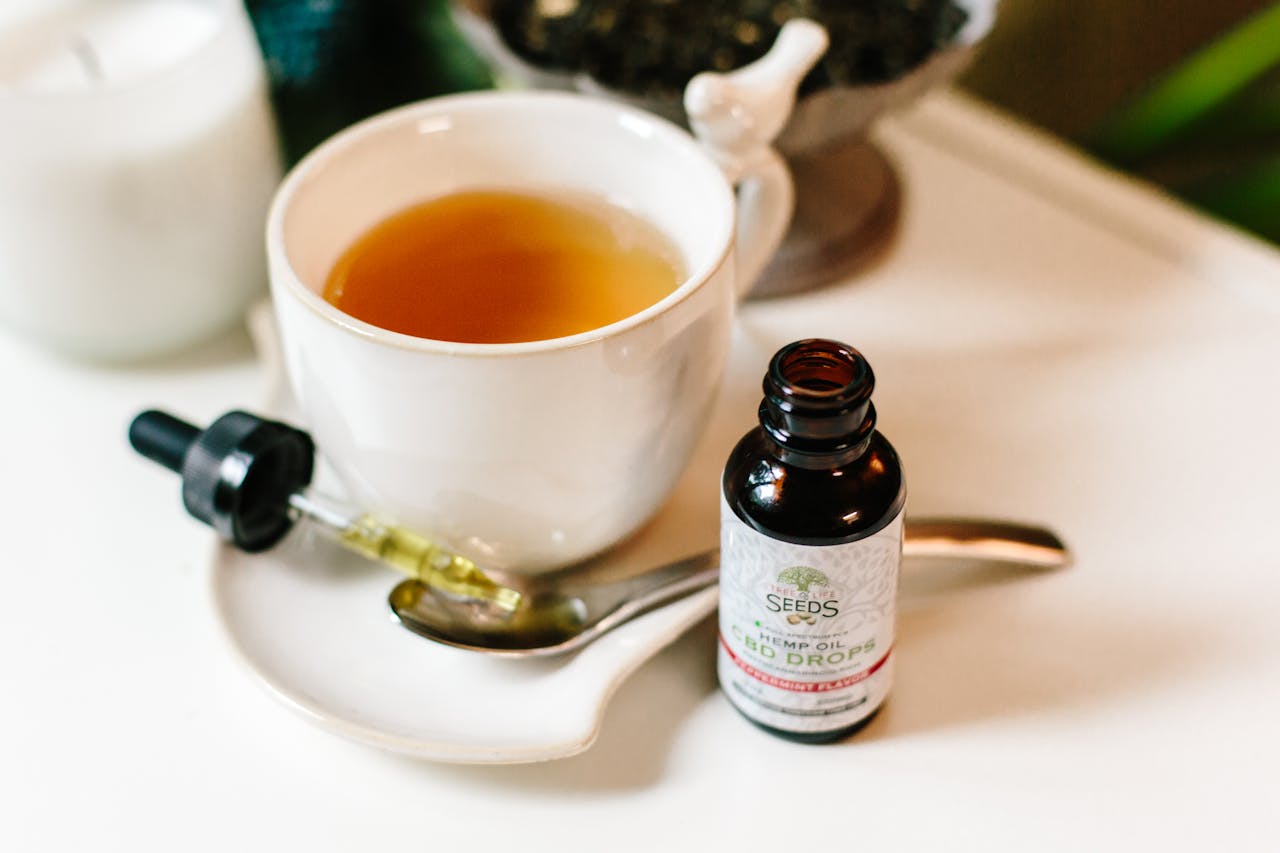

 Lastly, it would be best if you made sure that the website is of great to make it easier for you to do your shopping. There are numerous things that you can use to gauge the quality of an online shop website. First, you need to look at the speed. How fast is the website? If the website is not fast, that could be an indication that you will not have a good experience interacting with the website.





















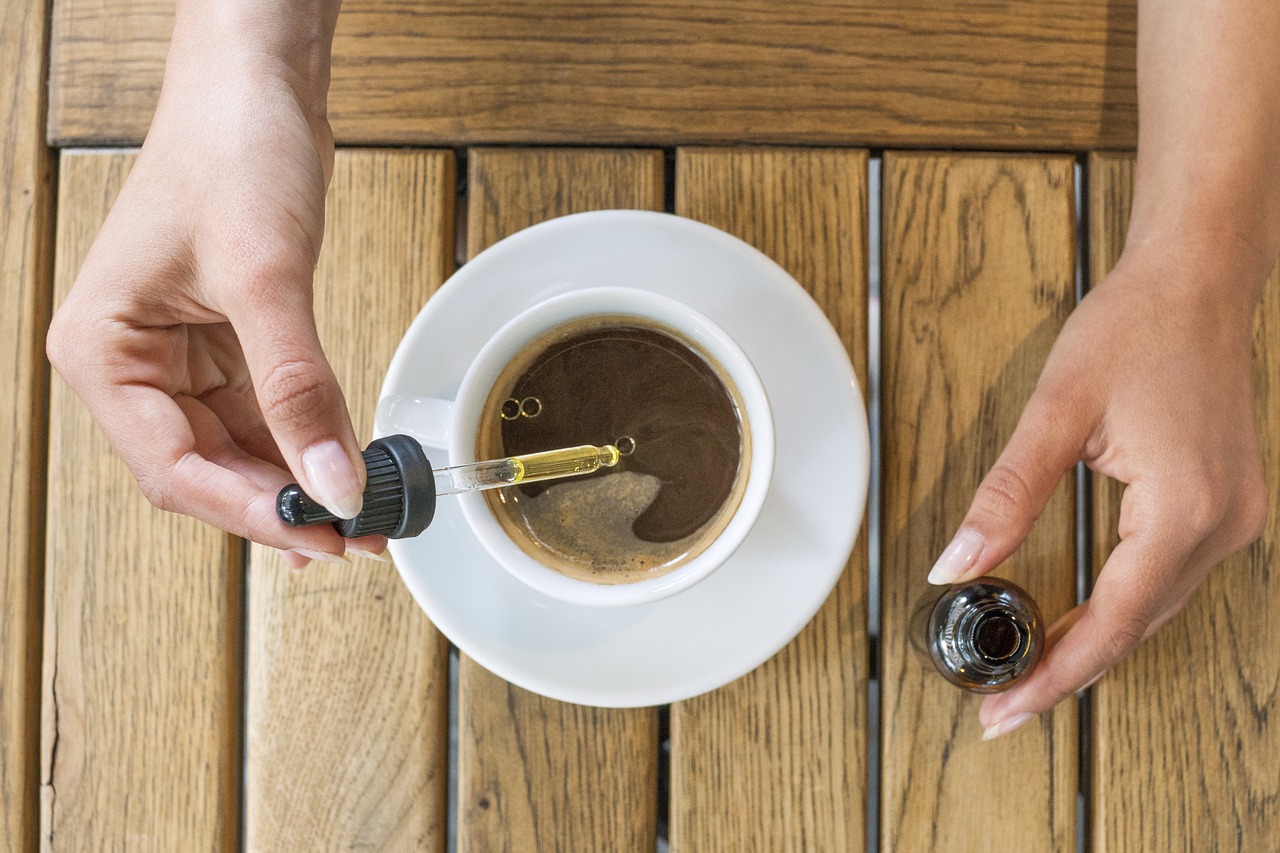

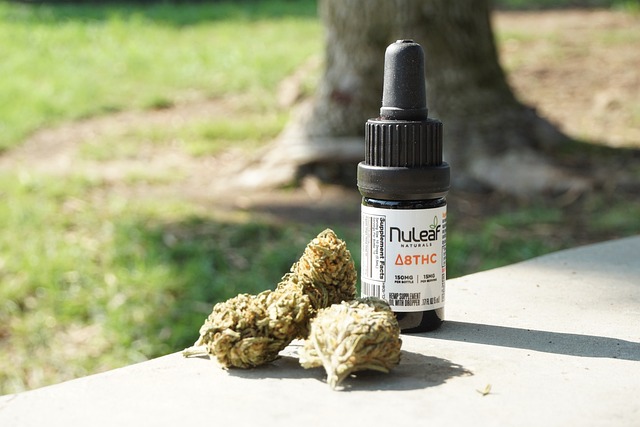



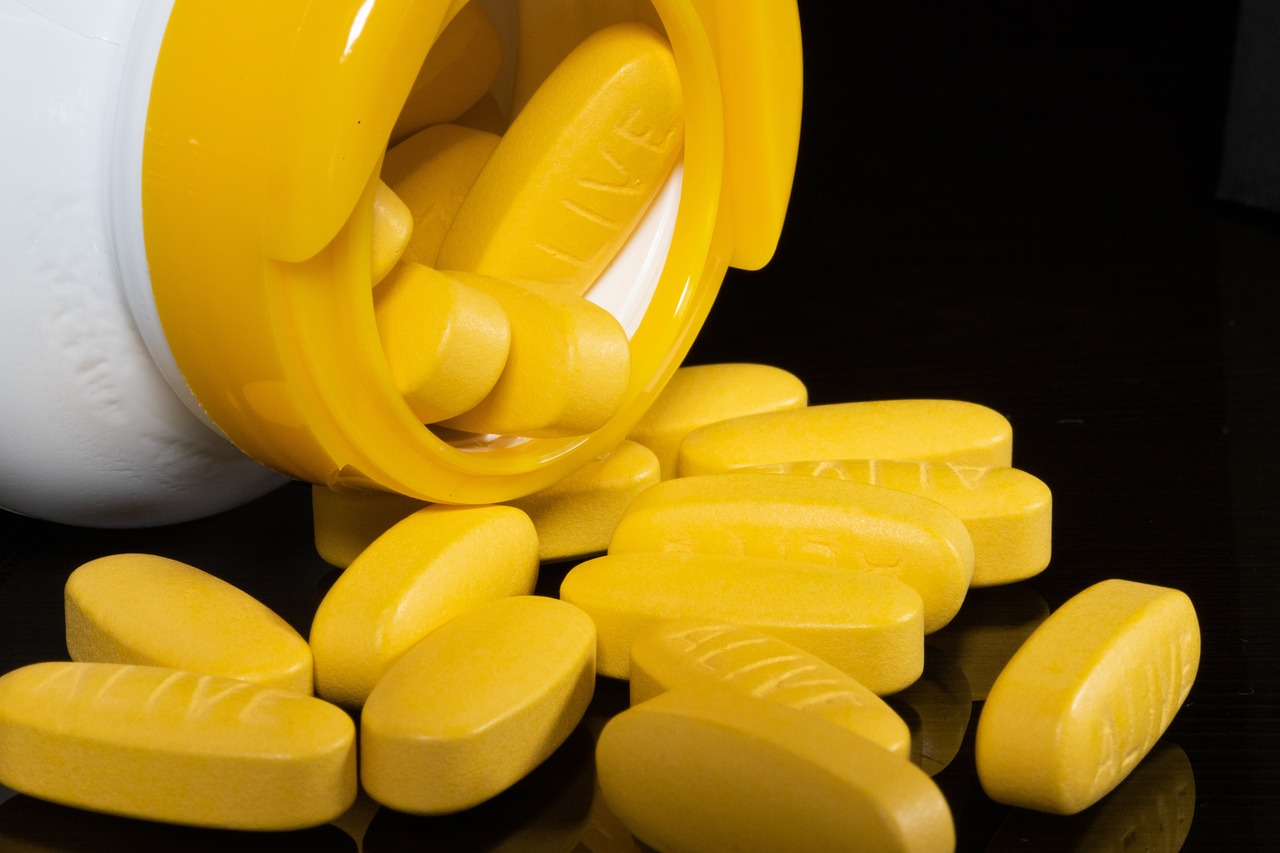

 If your joint pain has started impacting negatively on how you live your life, then you need to consider trying them. These pills are safe complements to your diet with fewer side effects since they are all natural supplements. Taking joint supplements can be helpful since they reduce the discomfort and pain so you can get back your life. The power to study the type of supplements and ingredients that best suit you best vests with you. Ensure you read product reviews and see how they have worked for other people with joint pain.
















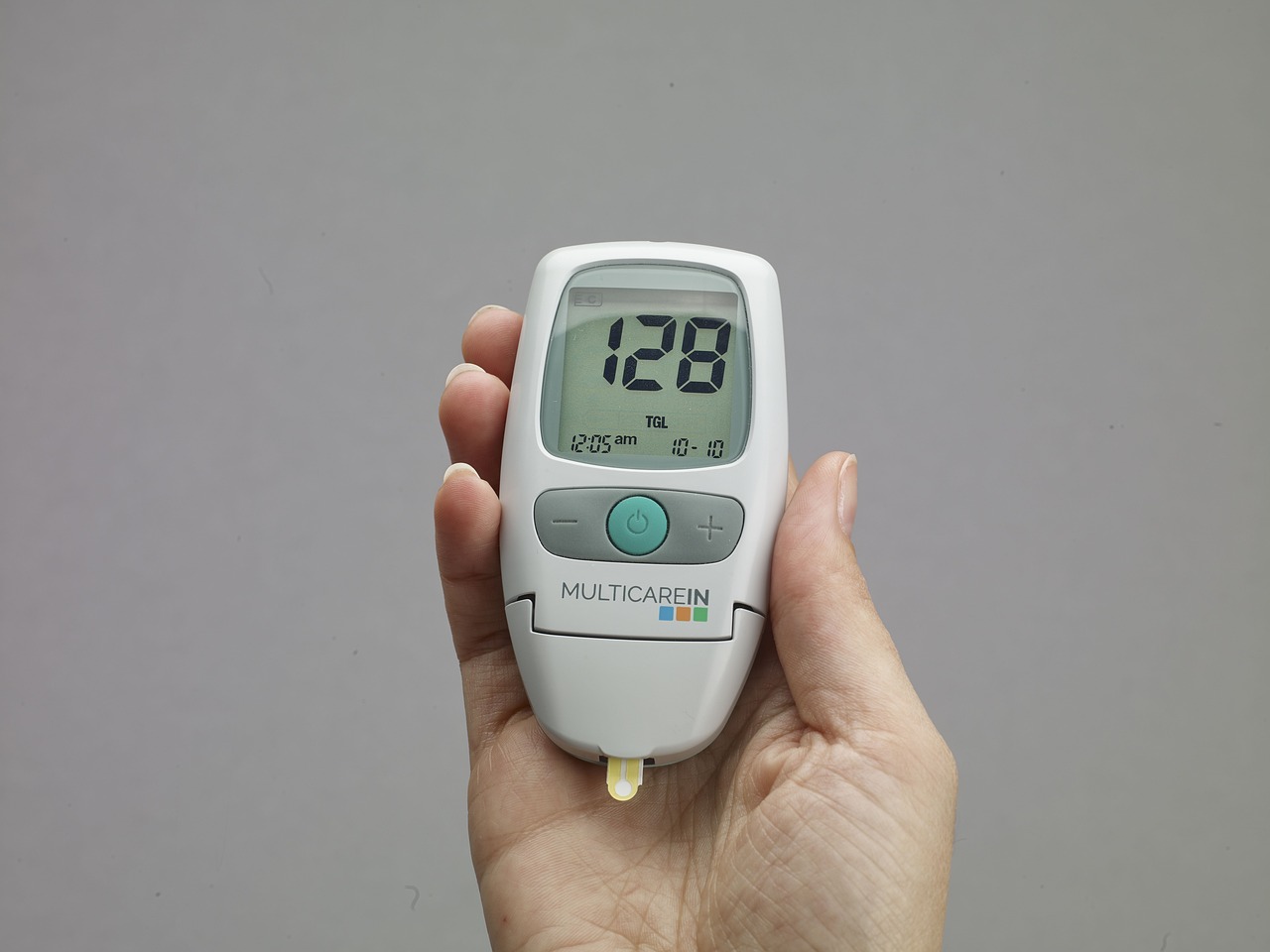
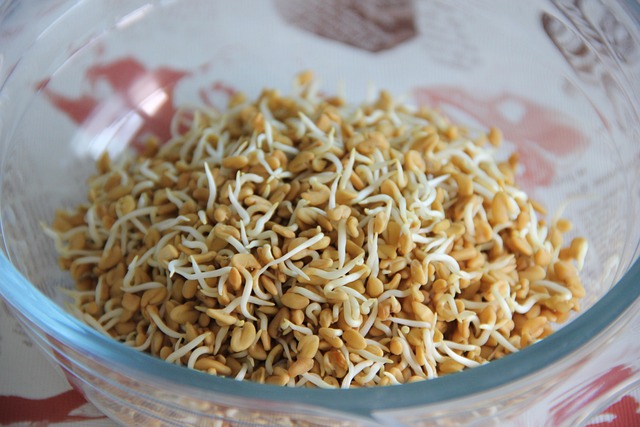
 Eat foods that do not cause blood sugar. Green vegetables and fruits are recommended. Avoid processed and refined foods. This is one way of treating acne from the inside.